As a supplier of Brown Corundum for Water Treatment, I've witnessed firsthand the unique advantages and characteristics of this remarkable material when compared to other water treatment materials. In this blog, I'll delve into a detailed comparison, exploring the properties, performance, and applications of brown corundum in contrast to its counterparts.
Properties of Brown Corundum
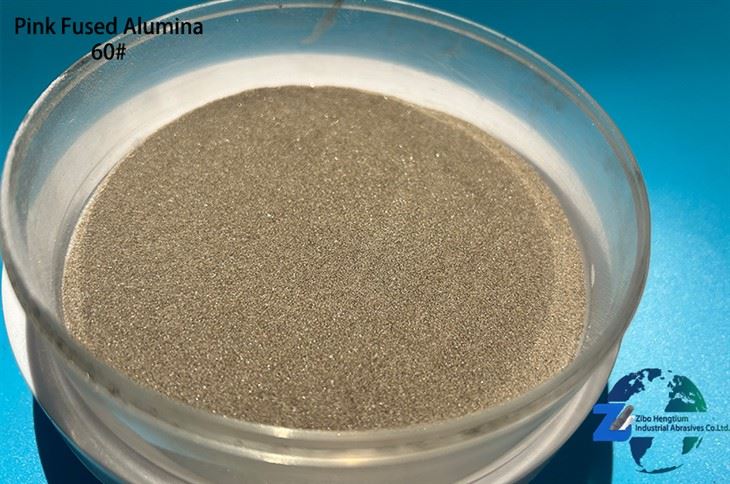
Brown corundum, also known as brown fused alumina, is an artificial abrasive made by melting bauxite, anthracite, and iron filings in an electric arc furnace at high temperatures. It has a series of excellent physical and chemical properties. Firstly, it has high hardness, with a Mohs hardness of about 9, which is only second to diamond. This high - hardness property allows it to maintain its shape and structure well during the water treatment process, even when subjected to high - pressure water flow and friction.
Secondly, brown corundum has good chemical stability. It is resistant to acid and alkali corrosion, which means it can work effectively in different water environments, whether the water is acidic or alkaline. This chemical stability also ensures that it won't release harmful substances into the water, thus guaranteeing the safety of the water treatment process.
Comparison with Sand
One of the most commonly used water treatment materials is sand. Sand is widely available and relatively inexpensive. However, compared to brown corundum, sand has several limitations. In terms of hardness, sand is much softer than brown corundum. This means that during the water treatment process, sand particles are more likely to be worn down, which can lead to a decrease in filtration efficiency over time.
Sand also has a relatively lower chemical stability. In some water environments with high acidity or alkalinity, sand may react with the water or the substances in it, potentially releasing impurities into the water. On the other hand, brown corundum's chemical stability allows it to maintain its integrity and performance in a wider range of water conditions.
In terms of filtration performance, brown corundum has a more uniform particle size distribution. This uniformity enables it to form a more stable filtration layer, which can effectively trap suspended solids and impurities in the water. Sand, due to its natural origin, often has a more irregular particle size, which may result in uneven filtration and reduced efficiency.
Comparison with Activated Carbon
Activated carbon is another popular water treatment material, especially known for its ability to adsorb organic compounds, odors, and colors from water. While activated carbon has its unique advantages, brown corundum offers different but complementary benefits.
Activated carbon works mainly through adsorption. Once its adsorption capacity is saturated, it needs to be replaced or regenerated. This can be a costly and time - consuming process. Brown corundum, on the other hand, mainly functions as a filtration medium. It physically traps impurities in the water, and its performance doesn't rely on adsorption capacity. As long as it is not physically damaged, it can continue to work effectively.

In addition, activated carbon may release fine particles into the water during the adsorption process, which requires additional filtration steps to remove. Brown corundum, with its high - hardness and stable structure, is less likely to release such fine particles, providing a more straightforward and reliable water treatment solution.
Comparison with Zeolite
Zeolite is a natural or synthetic porous material that is often used in water treatment for ion exchange and ammonia removal. Zeolite has a high ion - exchange capacity, which makes it effective in removing certain ions from water.
However, zeolite's ion - exchange capacity is limited and can be affected by the water's pH and temperature. Brown corundum, as a filtration material, is less affected by these factors. It can work consistently in different pH and temperature conditions, providing a more stable water treatment performance.
Zeolite also has a relatively lower mechanical strength compared to brown corundum. During backwashing or other water treatment operations, zeolite particles may break or be damaged, reducing its effectiveness. Brown corundum's high hardness and mechanical strength ensure its long - term durability in the water treatment system.
Applications of Brown Corundum in Different Industries
Brown corundum is not only used in water treatment but also has a wide range of applications in other industries. For example, it is used in the ceramics and glass industry. You can learn more about Brown Corundum for Ceramics and Glass. In this industry, brown corundum is used for grinding, polishing, and surface treatment of ceramic and glass products, taking advantage of its high hardness and abrasion resistance.
In the medical industry, brown corundum also plays an important role. Check out Brown Corundum for Medical Industry to know more. It can be used in the production of medical equipment and instruments, where its high - purity and non - toxic properties are highly valued.
Moreover, brown corundum is a key material in the abrasives industry. You can find more details about Brown Corundum for Abrasives. It is used to make grinding wheels, sandpapers, and other abrasive products, providing excellent cutting and grinding performance.
Conclusion
In conclusion, brown corundum offers several significant advantages over other water treatment materials. Its high hardness, chemical stability, and uniform particle size distribution make it a reliable and efficient filtration medium. Whether compared to sand, activated carbon, or zeolite, brown corundum shows better performance in terms of durability, chemical resistance, and filtration efficiency.
If you are in the market for high - quality water treatment materials, I highly recommend considering brown corundum. Its unique properties can bring you a more effective and long - lasting water treatment solution. Feel free to contact us for more information and to discuss your specific procurement needs. We are committed to providing you with the best products and services.
References
- ASTM International. (20XX). Standard specifications for brown fused alumina. ASTM XXXX - XX.
- Water Treatment Handbook. (20XX). Elsevier.
- Journal of Environmental Science and Technology. (20XX). Comparative study of different water treatment materials. Volume XX, Issue XX.