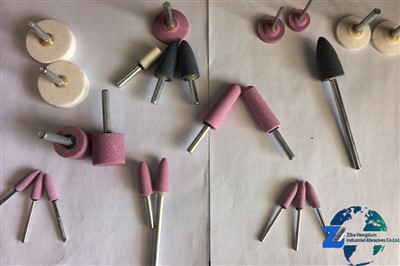
Brown corundum, a widely used abrasive material, has found significant applications in the stone processing industry. As a supplier of Brown Corundum for Abrasives, I have witnessed firsthand its remarkable performance and versatility in this sector. In this blog, I will delve into how brown corundum performs in the stone processing industry, exploring its properties, advantages, and various applications.
Properties of Brown Corundum
Brown corundum is an artificial abrasive made from bauxite, anthracite, and iron filings through an electric arc furnace at high temperatures. It mainly consists of aluminum oxide (Al₂O₃), with a content typically ranging from 94.5% to 97%. The other components include titanium dioxide (TiO₂), silicon dioxide (SiO₂), and a small amount of iron oxide (Fe₂O₃).
One of the key properties of brown corundum is its high hardness. On the Mohs scale, it has a hardness of about 9, which is only slightly lower than that of diamond. This high hardness allows it to effectively cut, grind, and polish various types of stones, including granite, marble, and quartzite.
Another important property is its toughness. Brown corundum has good fracture resistance, which means it can withstand the high pressure and impact forces generated during the stone processing operations. This toughness ensures that the abrasive grains do not break easily, resulting in a longer service life and more consistent performance.
In addition, brown corundum has a sharp grain shape. The angular and irregular shape of the grains provides excellent cutting edges, enabling efficient material removal during grinding and polishing processes. This sharpness also contributes to a smoother surface finish on the stone products.
Advantages of Using Brown Corundum in Stone Processing
Cost - effectiveness
Compared to some other high - performance abrasives, brown corundum is relatively inexpensive. This makes it an attractive option for stone processing companies, especially those that need to process large volumes of stones. The cost - effectiveness of brown corundum allows businesses to reduce their production costs without sacrificing too much on the quality of the finished products.
High Efficiency
Due to its high hardness and sharp grain shape, brown corundum can remove material from the stone surface quickly. This leads to shorter processing times, which in turn increases the overall productivity of the stone processing operations. For example, when grinding granite slabs, brown corundum abrasives can achieve the desired surface roughness in a shorter period compared to some other abrasives.
Versatility
Brown corundum can be used in a wide range of stone processing applications. It can be used for rough grinding to remove large amounts of material, intermediate grinding to refine the surface, and final polishing to achieve a high - gloss finish. Whether it is shaping a stone countertop, creating an intricate stone carving, or preparing a stone floor for installation, brown corundum can be tailored to meet the specific requirements of the task.
Compatibility with Different Stone Types
It is compatible with various types of stones, regardless of their hardness and composition. Whether it is the hard and dense granite or the more porous and softer marble, brown corundum can be used effectively. This compatibility makes it a one - stop solution for stone processing companies that deal with different types of stones.
Applications of Brown Corundum in the Stone Processing Industry
Grinding
In the stone processing industry, grinding is one of the most common operations. Brown corundum is widely used in grinding wheels for this purpose. These grinding wheels can be used to remove the rough edges of newly cut stone blocks, flatten the surfaces of stone slabs, and correct any irregularities in the stone shape. For example, in the production of granite kitchen countertops, brown corundum grinding wheels are used to ensure that the edges are smooth and the surface is flat before further processing.
Polishing
Polishing is another crucial application of brown corundum in stone processing. Fine - grit brown corundum powders or polishing pads are used to achieve a high - gloss finish on the stone surface. When polishing marble floors, for instance, brown corundum - based polishing compounds can bring out the natural beauty of the marble, enhancing its color and luster. The sharp and hard grains of brown corundum can effectively remove the micro - scratches on the stone surface, resulting in a smooth and shiny finish.


Cutting
Brown corundum can also be used in cutting tools for stone. Diamond - tipped saw blades often contain a small amount of brown corundum in the bonding matrix. The brown corundum helps to improve the cutting performance of the saw blade by providing additional cutting edges and enhancing the wear resistance of the blade. This allows for more efficient and precise cutting of stone materials, reducing the risk of chipping and cracking during the cutting process.
Comparison with Other Abrasives
While brown corundum has many advantages, it is also important to compare it with other abrasives commonly used in the stone processing industry.
Diamond Abrasives
Diamond abrasives are known for their extremely high hardness and cutting efficiency. They are often used for very hard stones and high - precision applications. However, diamond abrasives are much more expensive than brown corundum. In some cases where the cost is a major concern and the stone is not extremely hard, brown corundum can be a more practical choice. For example, for general - purpose grinding and polishing of medium - hardness stones, brown corundum can provide a good balance between performance and cost.
Silicon Carbide Abrasives
Silicon carbide abrasives are also widely used in the stone processing industry. They are more suitable for grinding non - ferrous metals and some types of ceramics. However, when it comes to stone processing, brown corundum is generally preferred for its better toughness and compatibility with a wider range of stone types. Silicon carbide abrasives may be more brittle and less effective in withstanding the high impact forces generated during stone processing operations.
Quality Control and Supply
As a supplier of Brown Corundum for Abrasives, we understand the importance of quality control. We ensure that our brown corundum products meet the highest industry standards. Our production process is carefully monitored to ensure consistent quality in terms of chemical composition, grain size, and hardness.
We also offer a wide range of brown corundum products to meet the diverse needs of our customers in the stone processing industry. Whether you need coarse - grit brown corundum for rough grinding or fine - grit powder for high - gloss polishing, we have the right product for you.
In addition to the products for abrasives, we also provide Brown Corundum for Water Treatment and Brown Corundum for Other Applications. Our comprehensive product portfolio allows us to be a one - stop solution for our customers' brown corundum needs.
Conclusion
Brown corundum plays a vital role in the stone processing industry. Its unique properties, such as high hardness, toughness, and sharp grain shape, make it an excellent choice for grinding, polishing, and cutting various types of stones. The cost - effectiveness, high efficiency, and versatility of brown corundum further enhance its appeal to stone processing companies.
If you are in the stone processing industry and are looking for a reliable and high - quality brown corundum abrasive supplier, we would be glad to discuss your specific requirements. Contact us to start a procurement negotiation and discover how our brown corundum products can improve the efficiency and quality of your stone processing operations.
References
- ASTM International. (20XX). Standard specifications for brown fused alumina abrasives.
- Stone Industry Handbook. (20XX). A comprehensive guide to stone processing technologies.
- Abrasive Engineering Journal. (20XX). Research on the performance of different abrasives in stone processing.