

Monolithic refractories are essential materials in various high - temperature industrial applications, offering excellent thermal resistance, mechanical strength, and chemical stability. Brown corundum, a widely used raw material, plays a crucial role in enhancing the performance of monolithic refractories. As a supplier of Brown Corundum for Refractory, I am excited to share the diverse applications of brown corundum in monolithic refractories.
1. Basic Properties of Brown Corundum
Brown corundum is an artificial abrasive material made by melting and reducing bauxite in an electric arc furnace. It mainly consists of aluminum oxide ($Al_2O_3$), with a content typically ranging from 94.5% to 97%. The remaining components include silicon dioxide ($SiO_2$), titanium dioxide ($TiO_2$), and a small amount of iron oxide ($Fe_2O_3$).
The high hardness of brown corundum, with a Mohs hardness of about 9, makes it highly resistant to wear. Its high melting point, around 2050°C, ensures its stability in high - temperature environments. Additionally, brown corundum has good thermal conductivity, which helps in heat dissipation in refractory applications.
2. Applications in Different Types of Monolithic Refractories
2.1 Castables
Castables are one of the most common types of monolithic refractories. They are mixed with water and poured or pumped into place, where they harden to form a solid refractory lining. Brown corundum is widely used in castables due to its high strength and wear resistance.
In steelmaking ladles, castables containing brown corundum are used to line the interior. The harsh environment in ladles, including high - temperature molten steel, slag erosion, and thermal shock, requires a refractory material with excellent performance. Brown corundum provides the necessary strength and wear resistance to withstand these conditions. The high - alumina content of brown corundum also helps in reducing the chemical reactivity with molten steel and slag, extending the service life of the ladle lining.
In the cement industry, castables with brown corundum are used in kiln preheaters, cyclones, and calciner zones. These areas are exposed to high - temperature gases, abrasive dust, and chemical attack from cement raw materials. The wear - resistant property of brown corundum ensures that the castables can maintain their integrity and performance over a long period, reducing maintenance costs and downtime.
2.2 Ramming Masses
Ramming masses are installed by ramming them into place using pneumatic or mechanical rammers. They are often used in areas where a high - density refractory lining is required, such as the hearth and bottom of electric arc furnaces.
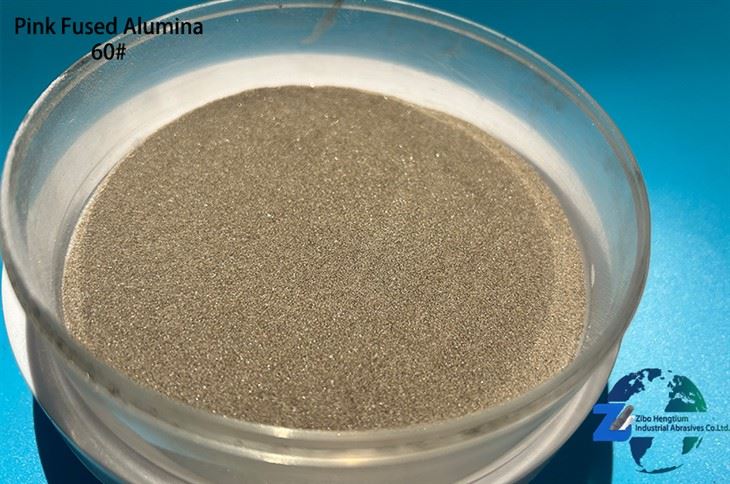

Brown corundum in ramming masses provides high thermal conductivity and resistance to thermal shock. In electric arc furnaces, the rapid heating and cooling cycles during the melting process can cause significant thermal stress on the refractory lining. The presence of brown corundum helps in dissipating heat quickly, reducing the thermal stress and preventing cracking and spalling of the lining. Moreover, its high hardness and wear resistance protect the ramming mass from the abrasive action of molten metal and slag.
2.3 Gunning Materials
Gunning materials are sprayed onto the surface of existing refractory linings for repair or new construction. They are used in areas where it is difficult to install castables or ramming masses, such as the walls of furnaces and kilns.
Brown corundum in gunning materials enhances the adhesion and cohesion of the sprayed layer. It also improves the wear resistance and thermal stability of the lining. When gunning materials are used to repair the refractory lining of a blast furnace, the brown corundum particles help in forming a strong and durable repair layer that can withstand the high - temperature and abrasive conditions inside the furnace.
3. Advantages of Using Brown Corundum in Monolithic Refractories
3.1 Cost - Effectiveness
Compared to some other high - performance refractory raw materials, brown corundum is relatively inexpensive. Its wide availability and cost - effective production process make it an attractive choice for manufacturers of monolithic refractories. By using brown corundum, refractory producers can offer high - quality products at a competitive price, which is beneficial for end - users in terms of cost savings.
3.2 Improved Performance
As mentioned earlier, brown corundum enhances the wear resistance, strength, and thermal stability of monolithic refractories. This leads to longer service life of the refractory linings, reducing the frequency of replacement and maintenance. In industrial processes, longer - lasting refractory linings mean less downtime for equipment, resulting in increased productivity and reduced production costs.
3.3 Customizability
Brown corundum can be processed into different particle sizes and shapes, allowing for customization of monolithic refractories according to specific application requirements. For example, in applications where high - strength and low - porosity are needed, finer - grained brown corundum can be used. In contrast, coarser - grained brown corundum may be preferred for applications requiring high - permeability and better thermal shock resistance.
4. Other Applications of Brown Corundum
In addition to its use in monolithic refractories, brown corundum has other important applications. You can learn more about these applications through the following links:
- Brown Corundum for Water Treatment: Brown corundum is used as a filter medium in water treatment systems. Its high hardness and chemical stability make it an effective material for removing impurities from water.
- Brown Corundum for Other Applications: There are various other applications of brown corundum, such as in the production of ceramics, refractories for non - ferrous metals, and in some chemical processes.
- Brown Corundum for Abrasives: Brown corundum is a popular abrasive material. It is used in grinding wheels, sandpaper, and other abrasive products for metalworking, woodworking, and stone processing.
5. Conclusion and Call to Action
Brown corundum is a versatile and valuable raw material in the production of monolithic refractories. Its unique properties, such as high hardness, wear resistance, and thermal stability, make it suitable for a wide range of high - temperature industrial applications. Whether it is in steelmaking, cement production, or other industries, brown corundum - based monolithic refractories can provide reliable performance and long - term durability.
If you are in the market for high - quality Brown Corundum for Refractory, we are here to meet your needs. Our brown corundum products are produced with strict quality control measures to ensure consistent performance. We can offer customized solutions based on your specific requirements. Contact us to start a procurement discussion and find the best brown corundum products for your monolithic refractory applications.
References
- "Refractories Handbook", Ed. by J. F. MacKenzie, Springer, 2015.
- "High - Temperature Materials and Technology", Ed. by Y. S. Touloukian, Plenum Press, 1989.
- "Abrasive Materials and Their Applications", Ed. by R. K. Viswanath, Elsevier, 2018.


