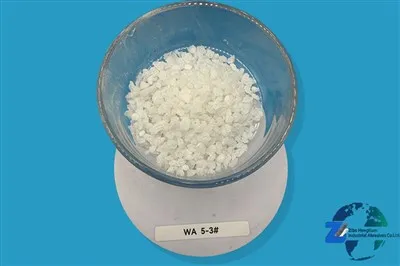
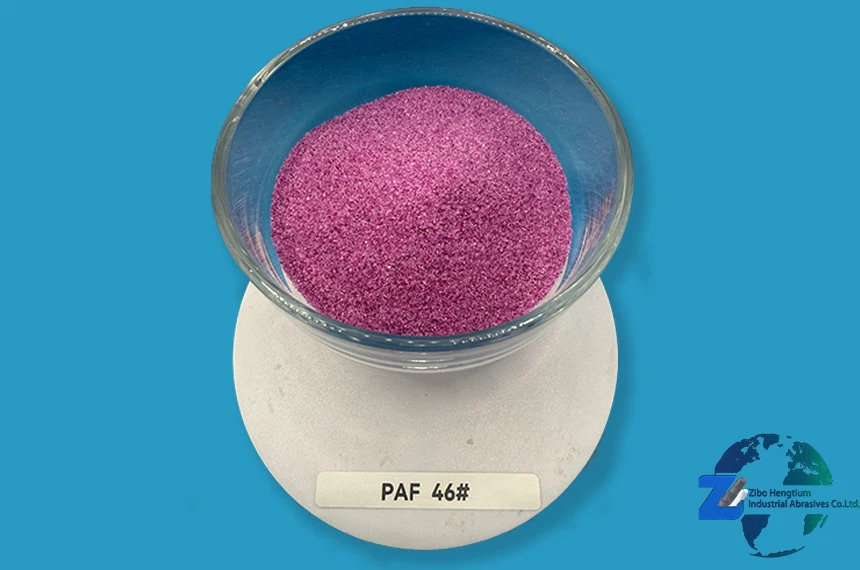
When it comes to sourcing brown corundum for refractory applications, one of the most critical factors that affect the final product's performance is the quality of the raw material. Brown corundum, also known as brown fused alumina, is a widely used abrasive and refractory material. Its quality can vary significantly from one supplier to another, and understanding these variations is crucial for businesses relying on this material. As a supplier of Brown Corundum for Refractory, I'd like to share some insights into how the quality of brown corundum can vary based on different suppliers.
Chemical Composition
The chemical composition of brown corundum is a primary determinant of its quality. High - grade brown corundum typically contains a high percentage of aluminum oxide (Al₂O₃). A supplier that can offer brown corundum with an Al₂O₃ content of 95% or higher is generally considered to provide a better - quality product. This high aluminum oxide content enhances the corrosion resistance, high - temperature stability, and mechanical strength of the refractory products made from it.
Some suppliers may cut corners by providing brown corundum with a lower Al₂O₃ content. This can be due to the use of inferior raw materials or less - precise manufacturing processes. For instance, if a supplier uses bauxite ore with a lower alumina concentration, the resulting brown corundum will also have a lower Al₂O₃ content. Lower - quality brown corundum may also contain higher levels of impurities such as silicon dioxide (SiO₂), titanium dioxide (TiO₂), and iron oxide (Fe₂O₃). These impurities can reduce the refractoriness and durability of the refractory products. For example, excess iron oxide can cause discoloration and may also react with other components in the refractory material at high temperatures, leading to structural weakening.
Physical Properties
Physical properties of brown corundum, such as grain size, shape, and bulk density, also vary by supplier.
Grain Size: Different applications require different grain sizes of brown corundum. A reliable supplier will offer a wide range of grain sizes and ensure consistent sizing. In the refractory industry, specific grain sizes are needed to achieve the desired porosity, strength, and heat - transfer properties in the final product. For example, coarser grains may be used to create a more porous structure, while finer grains can be used for a more dense and smooth finish. Some suppliers may have inconsistent grain sizing, which can lead to problems in the manufacturing process of refractory products. If the grain size is not uniform, it can cause uneven distribution of the corundum in the refractory mixture, resulting in weak spots and reduced performance.
Grain Shape: The shape of the brown corundum grains can also impact the quality of the refractory products. Angular - shaped grains generally provide better interlocking in the refractory matrix, which enhances the mechanical strength. Suppliers who can produce brown corundum with a more angular and regular grain shape are likely to offer a higher - quality product. On the other hand, suppliers with less - advanced manufacturing techniques may produce grains that are more rounded or irregular, which can lead to a less - stable refractory structure.
Bulk Density: Bulk density is another important physical property. Higher bulk density often indicates a more compact and dense material, which can contribute to better thermal insulation and mechanical strength in refractory applications. Suppliers that can consistently produce brown corundum with the desired bulk density are more likely to meet the quality requirements of the refractory industry.
Manufacturing Process
The manufacturing process employed by a supplier has a significant impact on the quality of brown corundum.


Fusion Process: The fusion process is a key step in producing brown corundum. High - quality suppliers use advanced electric arc furnaces with precise temperature and energy control. This ensures that the raw materials are completely melted and the chemical reactions occur under optimal conditions, resulting in a more homogeneous and high - purity product. In contrast, some suppliers may use older or less - efficient furnaces, which can lead to incomplete melting, uneven chemical composition, and a higher presence of impurities in the final product.
Post - processing: After the fusion process, post - processing steps such as crushing, screening, and washing are crucial. A reliable supplier will have strict quality control measures during these post - processing stages. For example, thorough washing can remove any remaining impurities, and precise screening ensures the correct grain size distribution. Some suppliers may skip or inadequately perform these post - processing steps, leading to a product that does not meet the required quality standards.
Quality Control and Certification
Quality - conscious suppliers implement rigorous quality control measures at every stage of the production process. They conduct regular chemical and physical tests on their brown corundum products to ensure that they meet the specified standards. For example, they may use advanced analytical techniques such as X - ray fluorescence (XRF) for chemical analysis and particle size analysis equipment for determining the grain size distribution.
Certification is also an important aspect. Reputable suppliers often obtain certifications such as ISO 9001, which indicates that they have a well - established quality management system in place. This provides customers with an additional level of confidence in the quality of the brown corundum they are purchasing. Some suppliers may claim to have high - quality products but lack the necessary certifications or proper quality control procedures, which can be a red flag for potential buyers.
Supply Chain and Production Capacity
The supply chain of a brown corundum supplier can also affect the quality and consistency of the product. A supplier with a reliable supply chain for raw materials is more likely to produce consistent - quality brown corundum. If a supplier has to source raw materials from unreliable sources due to cost - cutting or other reasons, it can lead to variations in the quality of the final product.
Production capacity is another factor. Large - scale suppliers with sufficient production capacity are often better able to meet the demand for high - quality brown corundum consistently. They can invest in advanced equipment and technology, and they are more likely to have the resources for strict quality control. Smaller suppliers, on the other hand, may struggle to maintain consistent quality, especially during periods of high demand.
Why Choose Our Brown Corundum for Refractory
As a supplier of Brown Corundum for Refractory, we pride ourselves on offering high - quality products. Our brown corundum has a high Al₂O₃ content, typically above 95%, which ensures excellent corrosion resistance and high - temperature stability. We use advanced electric arc furnaces in our manufacturing process, with strict control over temperature and energy, resulting in a homogeneous and pure product.
Our quality control team conducts regular and comprehensive tests on the brown corundum, including chemical analysis and physical property testing. We are ISO 9001 certified, which demonstrates our commitment to quality management. Additionally, we have a well - established supply chain for raw materials, ensuring the consistency of our product. We also have sufficient production capacity to meet the needs of our customers, whether they require small - scale or large - scale orders.
If you are interested in learning more about our Brown Corundum Refractory, you can explore our website. We also offer Brown Fused Alumina Sandblasting and Brown Fused Aluminum Oxide products. If you are in the market for high - quality brown corundum for your refractory applications, please don't hesitate to contact us for more information and to start a procurement discussion.
References
- "Refractory Materials Handbook", authors: Various refractory experts, Publisher: Industrial Materials Press
- "Advanced Abrasive Technologies", author: John Smith, Publisher: Abrasive Science Publishers