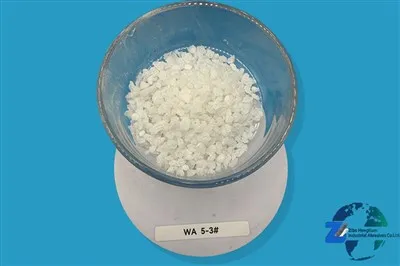
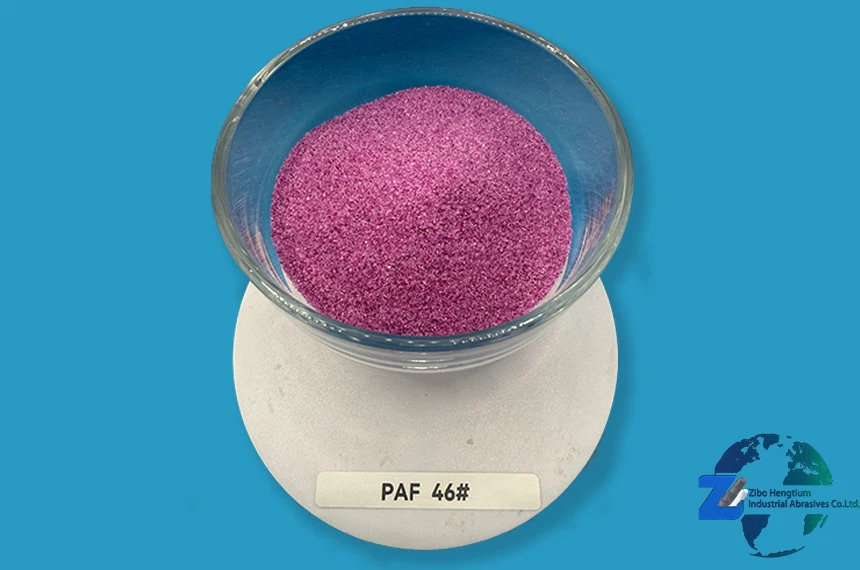
As a supplier of white corundum powder, I understand the critical importance of ensuring its quality. White corundum powder, known for its high hardness, good chemical stability, and excellent thermal properties, is widely used in various industries such as electrooptics, medical, and other fields. In this blog, I will share some effective methods to test the quality of white corundum powder.
Physical Property Tests
Particle Size Analysis
The particle size of white corundum powder significantly affects its performance in different applications. For instance, in electrooptics, a more uniform particle size distribution is often required to ensure consistent optical properties. We can use a laser particle size analyzer to measure the particle size distribution of the powder. This instrument works by measuring the scattering of laser light as it passes through a suspension of the powder. The data obtained from the analyzer can be used to calculate parameters such as the mean particle size, median particle size, and the span of the particle size distribution.
A narrow particle size distribution indicates better quality, as it means that the powder particles are more uniform in size. This is crucial for applications where precise control of particle size is necessary, such as in the production of high - precision abrasive tools. If the particle size distribution is too wide, it may lead to inconsistent performance in the final product.
Density Measurement
The density of white corundum powder is another important physical property. A higher density generally indicates a more compact and well - formed crystal structure, which is often associated with better quality. We can use a pycnometer to measure the density of the powder. The pycnometer is a precision instrument that measures the volume of a known mass of powder.
First, we weigh an empty pycnometer. Then, we fill it with the white corundum powder and weigh it again to determine the mass of the powder. Next, we fill the pycnometer with a liquid (usually a non - reactive liquid such as water or ethanol) and measure the volume of the liquid displaced by the powder. By dividing the mass of the powder by the volume it occupies, we can calculate its density.
Hardness Testing
Hardness is one of the most important properties of white corundum powder, as it is often used in abrasive applications. We can use a hardness tester, such as a Vickers hardness tester or a Mohs hardness scale, to measure the hardness of the powder.
The Vickers hardness tester works by indenting the powder sample with a diamond pyramid under a specific load. The size of the indentation is then measured, and the hardness value is calculated based on the load and the area of the indentation. The Mohs hardness scale, on the other hand, is a qualitative scale that ranks minerals based on their ability to scratch each other. White corundum has a high Mohs hardness (around 9), and a higher hardness value on the Vickers scale indicates better quality.
Chemical Composition Analysis
Purity Determination
The purity of white corundum powder is crucial for its performance in various applications. Impurities in the powder can affect its chemical stability, hardness, and other properties. We can use techniques such as X - ray fluorescence (XRF) analysis or inductively coupled plasma mass spectrometry (ICP - MS) to determine the chemical composition of the powder.
XRF analysis is a non - destructive method that can quickly and accurately determine the elemental composition of the powder. It works by irradiating the powder sample with X - rays, which causes the elements in the sample to emit characteristic fluorescent X - rays. By analyzing the energy and intensity of these fluorescent X - rays, we can identify and quantify the elements present in the powder.


ICP - MS is a more sensitive and accurate method for determining trace elements in the powder. It works by ionizing the sample in a high - temperature plasma and then separating and detecting the ions based on their mass - to - charge ratio. This method can detect elements at very low concentrations, which is important for ensuring the high purity of white corundum powder.
Chemical Stability Testing
White corundum powder should have good chemical stability, especially in applications where it is exposed to harsh chemical environments. We can conduct chemical stability tests by immersing the powder in various chemical solutions (such as acids, alkalis, or organic solvents) for a certain period of time and then analyzing the changes in its properties.
For example, we can measure the weight loss of the powder after immersion in an acid solution. A lower weight loss indicates better chemical stability. We can also analyze the changes in the chemical composition of the powder using XRF or ICP - MS after the chemical stability test to determine if any elements have been leached out or if any chemical reactions have occurred.
Application - Specific Tests
Electrooptics Applications
In electrooptics, white corundum powder is often used in the production of optical components such as lenses and prisms. For these applications, the powder should have excellent optical properties, such as high transparency and low scattering. We can use a spectrophotometer to measure the optical transmittance of the powder in the visible and near - infrared regions.
A high optical transmittance indicates that the powder has good transparency, which is essential for optical applications. We can also use a scatterometer to measure the scattering of light by the powder. Low scattering is desirable, as it means that the light passing through the powder will not be significantly scattered, resulting in better optical performance. You can learn more about White Corundum Powder for ELectrooptics.
Medical Applications
In medical applications, white corundum powder may be used in the production of medical implants or dental materials. For these applications, the powder should be biocompatible and free of harmful substances. We can conduct biocompatibility tests by culturing cells with the powder and observing the cell viability and growth.
If the cells show normal growth and viability in the presence of the powder, it indicates that the powder is biocompatible. We can also use ICP - MS to analyze the presence of heavy metals and other harmful substances in the powder. The powder should meet the relevant medical standards for the content of these substances. For more information on White Corundum Powder for Medical.
Other Applications
In other applications, such as in the production of refractory materials or ceramics, the white corundum powder should have good thermal stability and mechanical properties. We can conduct thermal stability tests by heating the powder to high temperatures and observing its phase changes and weight loss.
A stable phase and low weight loss at high temperatures indicate good thermal stability. We can also use mechanical testing methods such as compression testing or flexural testing to measure the mechanical strength of the powder - based materials. For more details on White Corundum Powder for Others.
Conclusion
Testing the quality of white corundum powder is a comprehensive process that involves multiple aspects, including physical property tests, chemical composition analysis, and application - specific tests. By using a combination of these testing methods, we can ensure that the white corundum powder we supply meets the high - quality standards required by different industries.
If you are interested in purchasing high - quality white corundum powder, please feel free to contact us for further discussion and negotiation. We are committed to providing you with the best products and services.
References
- ASTM International. Standard test methods for various properties of abrasive materials.
- ISO standards related to the quality control of inorganic powders.
- Scientific research papers on the properties and applications of white corundum powder.