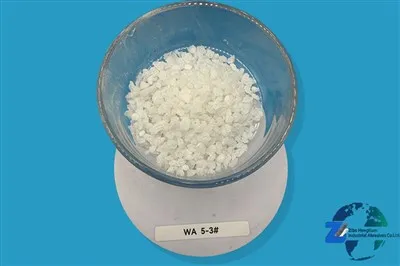
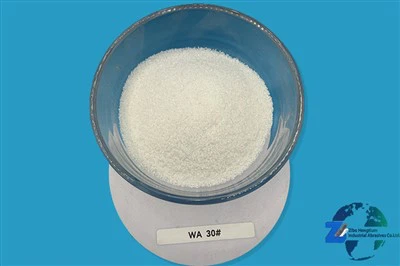
Brown corundum, also known as brown fused aluminum oxide, is a widely used abrasive material in various industries. As a supplier of Brown Corundum for Abrasives, I have witnessed firsthand the remarkable cutting ability of this material and its numerous applications. In this blog, I will delve into the cutting ability of brown corundum for abrasives, exploring its properties, factors affecting its performance, and its advantages in different applications.
Properties of Brown Corundum
Brown corundum is produced by fusing bauxite, iron filings, and coke in an electric arc furnace at high temperatures. The resulting product is a hard, tough, and sharp abrasive with a high melting point and excellent chemical stability. Its main chemical composition is aluminum oxide (Al₂O₃), typically ranging from 94.5% to 97%, along with small amounts of other impurities such as silica, titanium dioxide, and iron oxide.
The hardness of brown corundum is one of its key properties that contribute to its cutting ability. It has a Mohs hardness of 9, which is only slightly lower than that of diamond (Mohs hardness of 10). This high hardness allows brown corundum to effectively cut through a wide range of materials, including metals, ceramics, glass, and plastics.
In addition to its hardness, brown corundum also has good toughness. Toughness refers to the ability of a material to resist fracture under stress. The toughness of brown corundum enables it to maintain its shape and integrity during the cutting process, reducing the risk of premature wear and breakage. This makes it suitable for use in high-pressure and high-speed grinding applications.
Cutting Mechanism of Brown Corundum
The cutting ability of brown corundum is based on its abrasive action. When brown corundum particles come into contact with the workpiece surface, they exert a shearing force on the material, causing it to be removed in the form of chips. The cutting process can be divided into three main stages:
- Initial Contact: When the brown corundum abrasive first touches the workpiece surface, it begins to penetrate the material. The sharp edges of the abrasive particles plow into the workpiece, creating small grooves and ridges.
- Chip Formation: As the abrasive particles continue to move across the workpiece surface, they break off small pieces of material, forming chips. The size and shape of the chips depend on the hardness and ductility of the workpiece material, as well as the cutting conditions.
- Wear and Dullness: Over time, the abrasive particles will gradually wear down and become dull. As the cutting edges of the particles become rounded, their cutting efficiency decreases, and more force is required to remove the same amount of material. Eventually, the abrasive particles will need to be replaced to maintain the cutting performance.
Factors Affecting the Cutting Ability of Brown Corundum
Several factors can affect the cutting ability of brown corundum for abrasives. These factors include:
- Grain Size: The grain size of brown corundum refers to the average size of the abrasive particles. Smaller grain sizes generally provide a smoother finish but have a lower cutting rate, while larger grain sizes offer a higher cutting rate but may result in a rougher surface finish. The choice of grain size depends on the specific application and the desired surface finish.
- Bond Type: The bond type is the material used to hold the brown corundum abrasive particles together in a grinding wheel or other abrasive tool. Different bond types have different properties, such as hardness, strength, and porosity. The bond type can affect the cutting ability of the abrasive tool by influencing the retention of the abrasive particles and the rate at which they are released during the cutting process.
- Cutting Conditions: The cutting conditions, such as cutting speed, feed rate, and depth of cut, also play an important role in determining the cutting ability of brown corundum. Higher cutting speeds generally result in a higher cutting rate but may also increase the risk of overheating and tool wear. The feed rate and depth of cut should be adjusted to ensure that the abrasive tool can effectively remove the material without causing excessive damage to the workpiece.
- Workpiece Material: The hardness, ductility, and other properties of the workpiece material can significantly affect the cutting ability of brown corundum. Harder materials require more force to cut and may cause the abrasive particles to wear down more quickly. Ductile materials, on the other hand, may tend to smear or clog the abrasive tool, reducing its cutting efficiency.
Applications of Brown Corundum in Abrasives
Brown corundum is widely used in a variety of abrasive applications, thanks to its excellent cutting ability and other desirable properties. Some of the common applications of brown corundum in abrasives include:
- Grinding: Brown corundum is commonly used in grinding wheels for surface grinding, cylindrical grinding, and tool grinding. It can be used to grind a wide range of materials, including metals, ceramics, and glass. Brown Fused Aluminum Oxide is particularly suitable for grinding applications where high material removal rates and good surface finish are required.
- Sandblasting: Brown corundum is also used as a sandblasting abrasive for surface preparation and cleaning. Sandblasting involves propelling abrasive particles at high speed onto a workpiece surface to remove rust, paint, scale, and other contaminants. Brown Fused Alumina Sandblasting is a popular choice for sandblasting applications due to its hardness, toughness, and relatively low cost.
- Polishing: In addition to grinding and sandblasting, brown corundum can also be used for polishing applications. Polishing is a finishing process that is used to improve the surface smoothness and reflectivity of a workpiece. Brown corundum polishing compounds are commonly used to polish metals, plastics, and other materials.
- Coated Abrasives: Brown corundum is often used as the abrasive grain in coated abrasives, such as sandpaper and abrasive belts. Coated abrasives consist of a backing material, such as paper or cloth, with abrasive particles bonded to its surface. They are widely used for sanding, finishing, and deburring applications in woodworking, metalworking, and other industries.
Advantages of Brown Corundum for Abrasives
There are several advantages of using brown corundum for abrasives, which make it a popular choice in various industries. Some of the key advantages include:


- High Cutting Efficiency: Brown corundum has a high cutting rate, which means it can remove material quickly and efficiently. This can result in shorter processing times and increased productivity.
- Good Wear Resistance: Due to its high hardness and toughness, brown corundum has excellent wear resistance. It can withstand the high stresses and forces generated during the cutting process, reducing the need for frequent tool replacement.
- Versatility: Brown corundum can be used to cut a wide range of materials, including metals, ceramics, glass, and plastics. This makes it a versatile abrasive material that can be used in various applications.
- Cost-Effective: Compared to other abrasive materials, such as diamond and cubic boron nitride, brown corundum is relatively inexpensive. This makes it a cost-effective choice for many industrial applications.
- Environmental Friendliness: Brown corundum is a natural and non-toxic material, which makes it environmentally friendly. It does not contain any harmful substances, such as lead or mercury, and can be recycled after use.
Conclusion
In conclusion, brown corundum is a highly effective abrasive material with excellent cutting ability. Its high hardness, toughness, and chemical stability make it suitable for use in a wide range of abrasive applications, including grinding, sandblasting, polishing, and coated abrasives. The cutting ability of brown corundum is influenced by several factors, such as grain size, bond type, cutting conditions, and workpiece material. By understanding these factors and choosing the appropriate brown corundum abrasive for the specific application, users can achieve optimal cutting performance and efficiency.
As a supplier of Brown Corundum for Abrasives, we are committed to providing high-quality products and excellent customer service. If you are interested in learning more about our brown corundum products or have any questions about their applications, please feel free to contact us. We look forward to discussing your specific needs and helping you find the best abrasive solution for your business.
References
- "Abrasive Materials and Their Applications" by John C. Keefe
- "Grinding Technology: Theory and Applications of Machining with Abrasives" by Stephen Malkin
- "Handbook of Abrasive Technology" by Stuart L. Tondare