What is the wear pattern of a cutter grinding wheel?
Hey there! As a supplier of cutter grinding wheels, I've seen a lot of action in this field. Let's dig into the wear patterns of cutter grinding wheels.
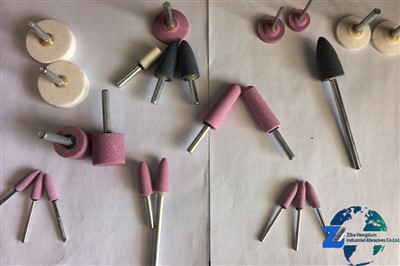
First off, what exactly is a cutter grinding wheel? Well, it's a tool used to shape and sharpen cutters. You can find different types, like Cylindrical and Surface Grinding Wheels, High-Performance Tool Grinding Wheel, and High-Precision Gear Grinding Wheel. Each type has its own unique features and is designed for specific applications.
Now, let's talk about the wear patterns. There are a few common ones that I've noticed over the years.
1. Abrasive Wear
This is probably the most common type of wear. When the grinding wheel is in contact with the cutter, the abrasive grains on the wheel start to wear down. The constant friction between the wheel and the cutter causes the abrasive particles to break off or become dull. As a result, the cutting efficiency of the wheel decreases. You might notice that the wheel takes longer to grind the cutter, or it doesn't produce as smooth a finish as it used to.
Abrasive wear can be influenced by several factors. The hardness of the cutter material is a big one. If you're grinding a very hard material, the abrasive grains on the wheel will wear out faster. The grinding speed also plays a role. Higher speeds can increase the rate of abrasive wear. And the feed rate, which is how fast the cutter is moved against the wheel, can affect wear as well. A higher feed rate can put more stress on the wheel and lead to faster wear.
2. Adhesive Wear
Adhesive wear occurs when small particles of the cutter material stick to the grinding wheel. This can happen when the temperature at the grinding interface gets too high. The heat causes the materials to soften and bond together. As the wheel rotates, these adhered particles can cause uneven wear on the wheel surface. You might see small chunks of the cutter material embedded in the wheel, which can affect the wheel's performance.
To prevent adhesive wear, it's important to use the right coolant. Coolants help to reduce the temperature at the grinding interface and prevent the materials from sticking together. You also need to make sure that the wheel is properly dressed. Dressing the wheel removes the adhered particles and restores the wheel's cutting ability.
3. Fatigue Wear
Fatigue wear is a bit different. It's caused by repeated stress on the grinding wheel. As the wheel rotates and grinds the cutter, it experiences cyclic loading. Over time, this can cause cracks to form in the wheel. These cracks can grow and eventually lead to the wheel breaking or chipping.
The frequency and magnitude of the stress are important factors in fatigue wear. If the grinding process involves high loads or rapid changes in load, the wheel is more likely to experience fatigue wear. The quality of the wheel material also matters. A high-quality wheel with good fatigue resistance will last longer.
4. Chemical Wear
Chemical wear happens when the grinding wheel reacts with the cutter material or the environment. For example, if the cutter is made of a metal that can react with the abrasive grains on the wheel, it can cause chemical changes in the wheel. This can lead to the degradation of the wheel's performance.


The presence of certain chemicals in the coolant or the atmosphere can also contribute to chemical wear. Some coolants contain additives that can react with the wheel material. And if the grinding process takes place in a corrosive environment, it can accelerate chemical wear.
So, how can you deal with these wear patterns? Well, first of all, it's important to choose the right grinding wheel for the job. Consider the material of the cutter, the required finish, and the grinding conditions. Make sure to follow the manufacturer's recommendations for wheel selection.
Regular maintenance is also crucial. Dressing the wheel at the right intervals can help to maintain its cutting ability. And using the right coolant can reduce wear and improve the grinding process.
If you're in the market for cutter grinding wheels, we've got you covered. Our Cylindrical and Surface Grinding Wheels, High-Performance Tool Grinding Wheel, and High-Precision Gear Grinding Wheel are designed to provide excellent performance and durability. Whether you're a small workshop or a large manufacturing plant, we can offer the right solution for your needs.
If you're interested in learning more or want to discuss your specific requirements, feel free to reach out. We're here to help you get the most out of your grinding process.
References
- Handbook of Grinding Technology
- Abrasive Machining Processes: Modeling and Simulation