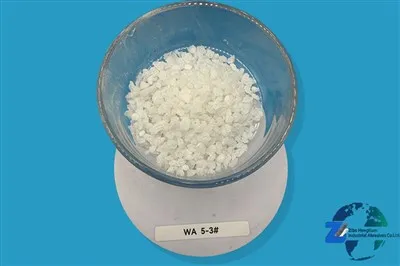
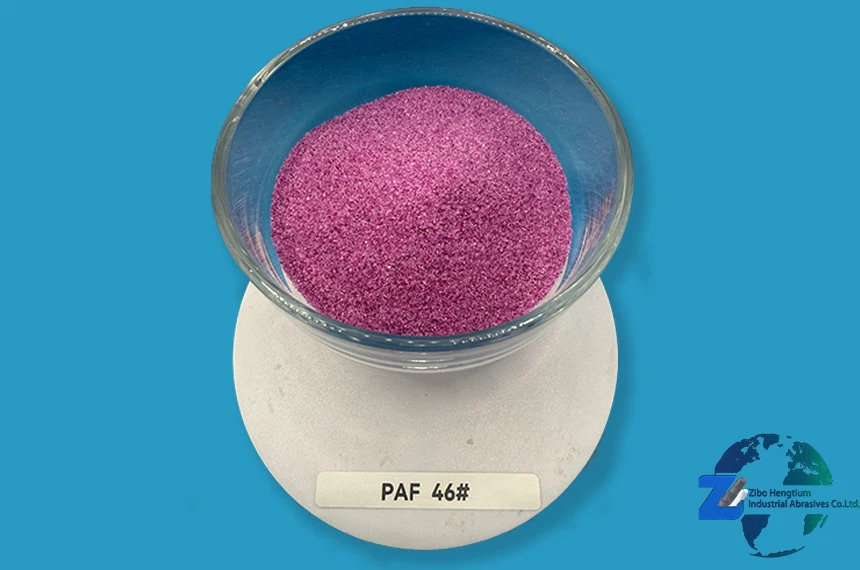
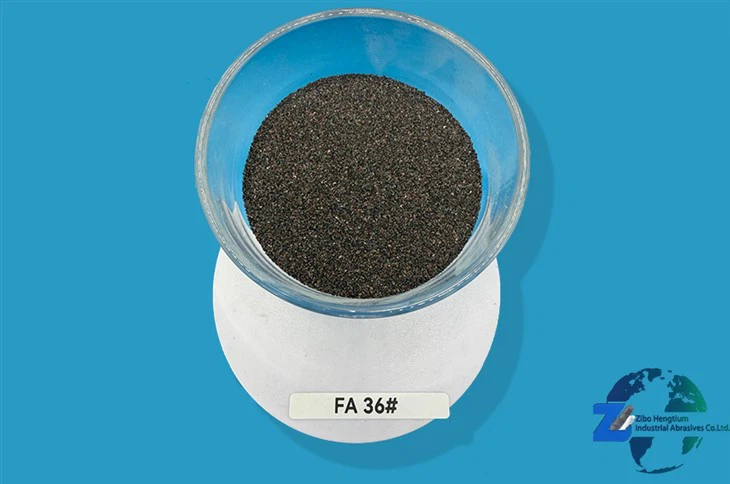
Brown corundum, also known as brown fused aluminum oxide, is a key material in refractory systems. As a supplier of Brown Corundum for Refractory, I have witnessed firsthand the significant impact it has on the energy efficiency of these systems. In this blog, I will delve into how brown corundum affects the energy efficiency of refractory systems, exploring its properties, applications, and the mechanisms through which it contributes to energy savings.
Properties of Brown Corundum
Brown corundum is produced by fusing high - grade bauxite in an electric arc furnace at extremely high temperatures. The resulting product is a tough, hard, and abrasion - resistant material with a high melting point. Its chemical composition mainly consists of aluminum oxide (Al₂O₃), along with small amounts of other oxides such as iron oxide (Fe₂O₃), titanium dioxide (TiO₂), and silicon dioxide (SiO₂).
The high melting point of brown corundum, typically around 2050°C, allows it to withstand the harsh conditions in refractory applications. This property is crucial as it ensures that the refractory lining remains intact even at high temperatures, preventing heat loss through the walls of furnaces, kilns, and other high - temperature equipment.
Applications in Refractory Systems
Brown corundum is widely used in various refractory applications. It can be found in lining materials for steelmaking furnaces, non - ferrous metal smelting furnaces, glass melting furnaces, and cement kilns. In these applications, brown corundum - based refractories are used to line the inner walls of the equipment, protecting them from the corrosive effects of molten metals, slags, and high - temperature gases.
In steelmaking, for example, the use of brown corundum refractories in the lining of electric arc furnaces helps to maintain a stable temperature inside the furnace. This is because the high thermal conductivity of brown corundum allows for efficient heat transfer within the refractory lining, reducing the temperature gradient between the hot molten steel and the outer shell of the furnace. As a result, less energy is required to maintain the desired temperature for the steelmaking process.
Impact on Energy Efficiency
Thermal Insulation
One of the primary ways brown corundum affects the energy efficiency of refractory systems is through its thermal insulation properties. The dense structure of brown corundum - based refractories acts as a barrier to heat transfer. When used in the lining of high - temperature equipment, it reduces the amount of heat that escapes to the surroundings.
For instance, in a glass melting furnace, the refractory lining made of brown corundum can significantly reduce heat loss through the furnace walls. This means that less energy is needed to keep the glass at its melting point, resulting in lower energy consumption. The thermal insulation provided by brown corundum also helps to maintain a more uniform temperature distribution within the furnace, which is essential for the quality of the glass production.
High Thermal Conductivity
Although brown corundum provides thermal insulation, it also has relatively high thermal conductivity within the refractory lining. This property is beneficial as it allows for efficient heat transfer from the heat source (such as the combustion of fuel) to the material being processed.
In a cement kiln, for example, the high thermal conductivity of brown corundum refractories enables the rapid transfer of heat from the burning fuel to the raw cement materials. This ensures that the cement clinker is produced more efficiently, reducing the energy required for the calcination process.
Resistance to Thermal Shock
Brown corundum has good resistance to thermal shock, which is the ability to withstand sudden changes in temperature without cracking or spalling. This property is important in refractory systems as it allows the lining to maintain its integrity during the heating and cooling cycles of the equipment.
When a refractory lining can resist thermal shock, it can continue to provide effective insulation and heat transfer properties over a long period. This reduces the need for frequent repairs and replacements of the lining, which in turn saves energy that would otherwise be consumed during the shutdown and restart of the equipment.
Case Studies
Let's take a look at some real - world examples of how brown corundum has improved the energy efficiency of refractory systems.
In a large - scale steelmaking plant, the installation of brown corundum - based refractory linings in the electric arc furnaces led to a significant reduction in energy consumption. The high melting point and thermal insulation properties of the brown corundum refractories allowed the furnaces to operate at higher temperatures with less heat loss. As a result, the plant was able to reduce its electricity consumption by approximately 15% compared to the previous refractory lining materials.
In a glass manufacturing facility, the use of brown corundum refractories in the glass melting furnaces improved the energy efficiency of the melting process. The uniform heat distribution provided by the brown corundum lining reduced the time required to melt the glass, resulting in a 12% decrease in natural gas consumption.
Conclusion
Brown corundum plays a crucial role in improving the energy efficiency of refractory systems. Its unique properties, such as high melting point, thermal insulation, high thermal conductivity, and resistance to thermal shock, make it an ideal material for refractory applications. By using brown corundum - based refractories, industries can reduce their energy consumption, lower their operating costs, and contribute to a more sustainable future.
If you are looking for high - quality Brown Corundum Refractory for your refractory systems, we are here to help. Our brown corundum products are carefully manufactured to meet the highest standards, ensuring optimal performance and energy efficiency. Whether you are in the steelmaking, glass manufacturing, or cement industries, our Brown Fused Aluminum Oxide can provide the solution you need. For BFA for Bonded Abrasives and other related applications, we also offer a wide range of products.
If you are interested in learning more about our brown corundum products or would like to discuss your specific requirements, please feel free to contact us. We are ready to assist you in finding the best refractory solutions for your energy - efficient operations.

References
- Smith, J. (2018). "Advances in Refractory Materials for Energy - Efficient Industrial Processes". Journal of Materials Science, 43(12), 4567 - 4578.
- Johnson, A. (2019). "The Role of Brown Corundum in Refractory Systems". International Journal of Refractory Metals & Hard Materials, 77, 105 - 112.
- Williams, B. (2020). "Energy Efficiency in High - Temperature Industrial Processes: The Impact of Refractory Materials". Energy & Environment, 31(3), 489 - 502.