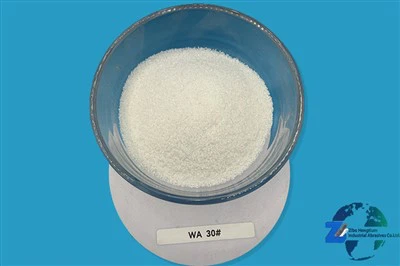
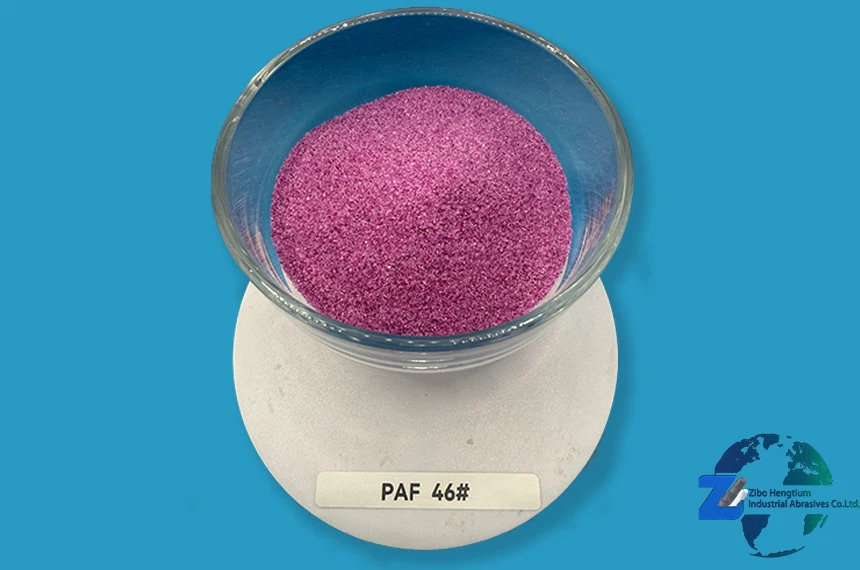
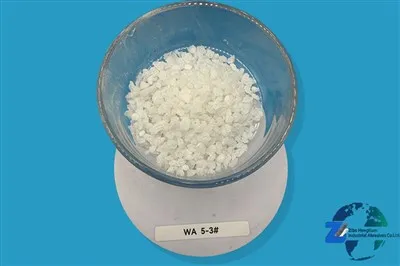
Groundwater is a vital source of water for various purposes, including drinking, irrigation, and industrial use. Ensuring its quality is of utmost importance. In recent times, there has been growing interest in the potential use of brown corundum in groundwater treatment. As a supplier of Brown Corundum for Water Treatment, I'd like to delve into this topic and explore whether brown corundum can indeed be effectively used in groundwater treatment.
Properties of Brown Corundum
Brown corundum, also known as brown fused alumina, is a widely used abrasive material. It is produced by fusing bauxite, anthracite, and iron filings in an electric arc furnace at high temperatures. The resulting product has several notable properties that make it a candidate for various applications.
One of the key properties of brown corundum is its high hardness. With a Mohs hardness of around 9, it is extremely resistant to wear and abrasion. This hardness allows it to withstand the harsh conditions often encountered in water treatment processes, such as high - flow rates and the presence of abrasive particles in the water.
It also has good chemical stability. Brown corundum is relatively inert and does not react easily with most chemicals commonly found in groundwater. This means that it can maintain its integrity over time and will not introduce unwanted contaminants into the water during the treatment process.


In addition, brown corundum has a porous structure. This porosity provides a large surface area, which is beneficial for adsorption and filtration processes. The pores can trap and hold suspended particles, organic matter, and even some dissolved substances in the water.
Potential Applications in Groundwater Treatment
Filtration
Filtration is a fundamental process in groundwater treatment. The porous structure of brown corundum makes it an excellent candidate for use as a filter medium. When water passes through a bed of brown corundum, the suspended particles in the water are trapped in the pores and on the surface of the corundum grains.
For example, in areas where groundwater is contaminated with sediment, silt, or fine sand particles, a brown corundum filter can effectively remove these impurities. The large surface area and the tortuous flow paths created by the porous structure ensure that a high percentage of the suspended solids are captured, resulting in clearer water.
Adsorption
Adsorption is another important mechanism in water treatment. Brown corundum can adsorb certain organic compounds and heavy metals from groundwater. The surface of the corundum grains has a charge, which can attract and bind to oppositely charged ions or molecules in the water.
Some heavy metals, such as lead, cadmium, and copper, can be adsorbed onto the surface of brown corundum. This is particularly useful in areas where industrial activities or natural geological processes have led to the contamination of groundwater with these toxic metals. By using brown corundum in the treatment process, the concentration of these heavy metals can be significantly reduced, making the water safer for consumption.
Organic matter, such as humic acids and pesticides, can also be adsorbed by brown corundum. These organic compounds can cause taste and odor problems in water and may also have potential health risks. The adsorption of these substances by brown corundum helps to improve the aesthetic and safety aspects of the groundwater.
Comparison with Other Treatment Materials
When considering the use of brown corundum in groundwater treatment, it is important to compare it with other commonly used treatment materials.
Sand is one of the most widely used filter media in water treatment. While sand is effective in removing large suspended particles, it has a relatively low surface area compared to brown corundum. This means that its adsorption capacity for dissolved substances and fine particles is limited. Brown corundum, with its higher porosity and larger surface area, can provide better filtration and adsorption performance, especially for smaller particles and dissolved contaminants.
Activated carbon is another popular material for water treatment, especially for the removal of organic compounds. However, activated carbon is relatively expensive and has a limited lifespan. It needs to be replaced regularly to maintain its effectiveness. Brown corundum, on the other hand, is more cost - effective and can be reused after proper cleaning. It also has a longer service life, making it a more sustainable option in the long run.
Challenges and Limitations
Although brown corundum shows great potential in groundwater treatment, there are also some challenges and limitations that need to be considered.
One of the challenges is the initial cost of setting up a brown corundum - based treatment system. The equipment required for handling and using brown corundum, such as filters and adsorption columns, can be expensive to install. However, as mentioned earlier, the long - term cost savings due to its reusability and durability can offset the initial investment.
Another limitation is the need for proper pre - treatment. If the groundwater contains a high concentration of certain substances, such as high - molecular - weight organic matter or large amounts of oil, these substances can clog the pores of the brown corundum and reduce its effectiveness. Therefore, pre - treatment steps, such as sedimentation and oil separation, may be required to ensure the optimal performance of the brown corundum in the treatment process.
Other Applications of Brown Corundum
Apart from water treatment, brown corundum has a wide range of other applications. You can learn more about these applications through the following links:
- Brown Corundum for Ceramics and Glass
- Brown Corundum for Refractory
- Brown Corundum for Other Applications
Conclusion
In conclusion, brown corundum has significant potential for use in groundwater treatment. Its high hardness, chemical stability, and porous structure make it suitable for both filtration and adsorption processes. It can effectively remove suspended particles, heavy metals, and organic matter from groundwater, improving its quality.
While there are some challenges and limitations associated with its use, these can be overcome with proper pre - treatment and system design. Compared to other treatment materials, brown corundum offers a cost - effective and sustainable solution for groundwater treatment.
If you are interested in using brown corundum for your groundwater treatment needs, I encourage you to contact us for further discussion and procurement. We are a reliable supplier of Brown Corundum for Water Treatment and can provide you with high - quality products and professional advice.
References
- ASTM International. (20XX). Standard specifications for brown fused alumina. ASTM XXXX - XX.
- Water Research Foundation. (20XX). Studies on the use of alternative filter media in water treatment. Report No. XXXX.
- Environmental Protection Agency. (20XX). Groundwater protection and treatment guidelines. EPA Publication No. XXXX.