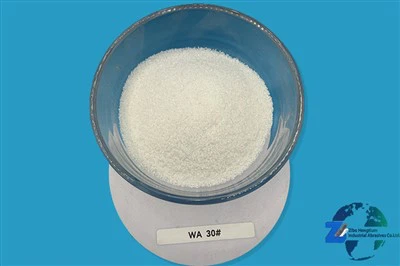
Moisture content is a crucial factor in determining the quality and performance of various industrial materials, and brown corundum used for water treatment is no exception. As a supplier of Brown Corundum for Water Treatment, I have witnessed firsthand the significance of understanding and controlling the moisture content of this essential material. In this blog post, I will delve into the topic of the moisture content of brown corundum for water treatment, exploring its impact on the material's properties, performance, and applications.
Understanding Brown Corundum for Water Treatment
Brown corundum, also known as brown fused alumina, is a widely used abrasive and refractory material that is produced by fusing high - grade bauxite with other additives in an electric arc furnace. The resulting product is a hard, durable, and chemically stable material with excellent abrasive and wear - resistant properties. In the context of water treatment, brown corundum is often used as a filtration medium due to its high porosity, large surface area, and good chemical resistance.
When water passes through a bed of brown corundum, suspended solids, impurities, and contaminants are trapped within the pores and on the surface of the corundum particles. This filtration process helps to improve the clarity, quality, and safety of the water, making it suitable for various applications such as drinking water treatment, industrial water purification, and wastewater treatment.
The Significance of Moisture Content
The moisture content of brown corundum for water treatment can have a profound impact on its performance and effectiveness. Here are some key aspects to consider:
Physical Properties
Moisture can affect the physical properties of brown corundum particles. Excessive moisture can cause the particles to clump together, reducing the porosity and permeability of the filtration medium. This, in turn, can lead to decreased flow rates and increased pressure drop across the filter bed, ultimately reducing the efficiency of the water treatment process.
On the other hand, if the moisture content is too low, the particles may become more brittle and prone to breakage. Broken particles can then pass through the filter and contaminate the treated water, defeating the purpose of the filtration process.
Chemical Stability
Moisture can also influence the chemical stability of brown corundum. In the presence of moisture, certain chemical reactions may occur on the surface of the corundum particles. For example, if the water contains dissolved salts or acids, these substances can react with the corundum over time, leading to corrosion and degradation of the material. This can not only reduce the lifespan of the filtration medium but also introduce new contaminants into the water.
Microbial Growth
Moist conditions can provide a suitable environment for microbial growth. Bacteria, fungi, and other microorganisms can thrive on the surface of moist brown corundum particles. These microorganisms can form biofilms, which can clog the pores of the corundum and reduce its filtration efficiency. Moreover, some microorganisms may produce toxins or other harmful substances that can contaminate the treated water.
Ideal Moisture Content Range
Determining the ideal moisture content for brown corundum used in water treatment is a complex task that depends on several factors, including the specific application, the quality of the water being treated, and the design of the filtration system. However, in general, the moisture content of brown corundum for water treatment should be kept within a relatively low range.
A moisture content of less than 1% is often considered ideal for most water treatment applications. At this level, the particles remain free - flowing, with minimal risk of clumping or breakage. Additionally, the low moisture content helps to prevent chemical reactions and microbial growth, ensuring the long - term stability and effectiveness of the filtration medium.
Measuring Moisture Content
There are several methods available for measuring the moisture content of brown corundum. One of the most common methods is the loss - on - drying (LOD) method. In this method, a sample of brown corundum is weighed, then dried in an oven at a specific temperature (usually around 105 - 110°C) for a set period of time until a constant weight is achieved. The difference in weight before and after drying represents the moisture content of the sample.
Another method is the use of moisture meters. These devices work by measuring the electrical conductivity or capacitance of the brown corundum, which is related to its moisture content. Moisture meters provide a quick and non - destructive way to measure moisture content, but they may require calibration to ensure accurate results.
Controlling Moisture Content
As a supplier of Brown Corundum for Water Treatment, we take several steps to control the moisture content of our products. During the manufacturing process, we ensure that the brown corundum is properly dried before packaging. This involves using advanced drying equipment and techniques to remove as much moisture as possible.
In addition, we use high - quality packaging materials that are designed to protect the brown corundum from moisture during storage and transportation. Our packaging is typically made of moisture - resistant materials such as plastic bags or sealed containers, which help to maintain the low moisture content of the product.


Applications and Related Products
Brown corundum has a wide range of applications beyond water treatment. For example, it is also commonly used as an abrasive in various industries. You can learn more about Brown Corundum for Abrasives. Additionally, there are other applications where brown corundum can be utilized, and you can find more information about Brown Corundum for Other Applications. Of course, our main focus here is Brown Corundum for Water Treatment, which offers a reliable solution for high - quality water filtration.
Conclusion
In conclusion, the moisture content of brown corundum for water treatment is a critical parameter that can significantly impact its performance and effectiveness. By understanding the ideal moisture content range, measuring the moisture content accurately, and taking appropriate steps to control it, we can ensure that our brown corundum products provide reliable and efficient water treatment solutions.
If you are in the market for high - quality Brown Corundum for Water Treatment, I encourage you to reach out to us. We are committed to providing our customers with the best products and services, and we would be happy to discuss your specific needs and requirements. Whether you are involved in a small - scale water treatment project or a large - scale industrial application, our brown corundum can meet your expectations. Contact us today to start a discussion about your procurement needs.
References
- ASTM International. (20XX). Standard test methods for moisture content in industrial minerals.
- Smith, J. (20XX). "The role of moisture in industrial materials and its impact on performance." Journal of Industrial Materials Science.
- Water Treatment Handbook. (20XX). A comprehensive guide to water treatment processes and materials.